TEXTURED SKIN TREATMENT IN LEEDS
Textured Skin
Texture starts beneath the surface. So does the solution.
Rough patches, visible pores, acne scarring, a surface that never quite looks smooth no matter what you apply to it. Naturally, if this sounds familiar, you are not alone. Textured skin is also one of the most misread. In fact, the issue is rarely about what you are putting on your skin. It is about what is happening beneath it, where cell turnover, collagen integrity, and years of accumulated damage determine the surface you see and feel.
Textured skin treatment at Park Square Clinic Leeds begins with understanding exactly what is driving your texture. We use advanced, non-surgical treatments to target the structural cause and restore a smoother, more refined surface.
What is textured skin?
Textured skin refers to any irregularity in the skin’s surface. Specifically, that can mean rough patches, visible scarring, enlarged pores, stretch marks, or a general unevenness that makes the skin look dull and less youthful. In healthy skin, dead cells shed at a consistent rate while fresh cells rise from beneath to take their place. This produces a smooth, even surface that reflects light uniformly. However, when that cycle is disrupted, the result is a surface you can both see and feel.
Essentially, what you are experiencing is a structural concern, not a hygiene issue. Beneath the visible surface, collagen production, the protein responsible for your skin’s firmness and resilience, may have slowed. Inflammation from past breakouts may have damaged the dermis, the deeper layer where your skin’s architecture is built. Consequently, topical products can improve the feel of your skin temporarily. However, they cannot reach the structural changes that are driving the texture. That requires clinical intervention.
What causes textured skin?
Sun damage is the most significant contributor. Every time ultraviolet light reaches your skin, it degrades collagen and elastin, the two proteins that give your skin its smooth, resilient structure. This damage is cumulative and often invisible at first. Indeed, you might not notice the change season to season. However, over years of exposure, the surface becomes thicker, rougher, and less even as the support beneath it gradually weakens.
Acne and inflammatory breakouts leave structural damage behind even after the visible spots have cleared. Specifically, active inflammation disrupts the dermis, and as the tissue heals, it does not always rebuild to its original architecture. As a result, indentations, raised patches, or a persistently uneven surface can remain. This is why textured skin is so closely associated with acne scarring, a concern we assess regularly.
Ageing, Dehydration and Genetics
As we age, cell turnover slows considerably. In your twenties, your skin replaces itself roughly every 28 days. By your forties and fifties, that cycle can extend to 45 days or longer. The longer dead cells remain on the surface, the rougher and duller the skin feels. In addition, collagen production declines year on year. As a result, the structural scaffolding beneath the surface weakens, making existing texture more pronounced and harder to improve with products alone.
Dehydration compounds the problem. When your skin’s moisture barrier is compromised, it loses its plumpness and elasticity. In turn, fine lines, rough patches, and enlarged pores all become more visible. Furthermore, genetics determine how quickly your cell turnover slows and how your pores respond to congestion. Some people are simply predisposed to textured skin earlier in life, regardless of how well they care for it.
For further reading on how UV exposure affects the skin, the British Association of Dermatologists provides an evidence-based guide on sun and the skin.
Types of textured skin we treat
Textured skin can present in several ways, and identifying the type is essential before we recommend treatment. Indeed, what you experience as rough or bumpy skin may have an entirely different origin to someone with a similar concern.
Acne scarring is often the most significant contributor. The irregularity left behind after persistent inflammatory breakouts creates an uneven surface that topical products alone cannot correct, because the damage sits in the dermis, not on top of it. Enlarged pores develop when the pore walls lose structural elasticity, often from repeated congestion or collagen decline, creating a stippled, uneven appearance. In addition, fine lines and wrinkles affect texture as the surface loses its smoothness when collagen and elastin thin over time. These textural issues are closely linked, and many people experience more than one at the same time.
Rough Patches, Congestion and Dullness
Rough, dry texture typically results from chronic dead cell buildup and impaired moisture retention, where the outer layer thickens and loses its smoothness. In contrast, bumpy, congested skin is driven by clogged pores, excess sebum, and trapped debris within the pore lining. Similarly, dull, lacklustre skin reflects slow cell turnover and cumulative sun damage. The surface no longer sheds efficiently, and light scatters rather than reflects evenly, giving the skin a tired, aged appearance.
Understanding which type of texture you have is the starting point for effective textured skin treatment. Ultimately, everything we recommend follows from that clinical assessment.
How to Improve Textured Skin
Improving textured skin involves matching the right clinical approach to the specific type of texture you are dealing with. At Park Square Clinic, every textured skin treatment at Park Square Clinic Leeds starts with a thorough consultation to assess the cause, depth, and distribution of your concern. Then, we build a treatment plan tailored to your skin.
Every treatment plan begins with a thorough skin assessment. First, we examine the type and depth of your texture concerns. Then, we assess your skin sensitivity and healing capacity. Finally, we recommend a personalised combination of treatments designed to resurface, rebuild and refine your complexion.
Textured Skin Treatments at Park Square Clinic Leeds
Ultimately, from fractionated laser energy that triggers deep collagen renewal to enzyme therapies that gently dissolve surface build-up, our clinicians select the right combination for your skin. Here is a closer look at the treatments we recommend most often for textured skin.
Read more about textured skin treatments
Etherea MX Fractionated Laser – Textured Skin Treatment Leeds
Our FDA-cleared Etherea MX system delivers fractionated laser energy that creates thousands of micro-coagulation zones, tiny points of controlled injury across the skin’s surface. In turn, this triggers the body’s natural wound-healing response, stimulating neocollagenesis, the production of fresh collagen, and forcing the skin to regenerate new, evenly structured tissue from within. As a result, rough texture, acne scarring, and enlarged pores are progressively replaced by smoother, more uniform skin. It is the most advanced laser resurfacing treatment we offer for persistent textural concerns.
Chemical Peels – Textured Skin Treatment Leeds
A chemical peel applies a controlled acid solution that dissolves the bonds holding dead cells to the skin’s surface. This removes the damaged outer layer entirely, promoting accelerated cell turnover and skin renewal. Specifically, we select the peel strength and formulation based on your texture type. For instance, a glycolic acid peel targets general surface roughness and dullness, while a deeper peel addresses more established damage such as post-acne scarring.
Microneedling (Collagen Induction Therapy) – Textured Skin Treatment Leeds
Microneedling, also known as collagen induction therapy, creates thousands of tiny, controlled micro-channels across the skin using fine sterile needles. This triggers the body’s natural collagen and elastin production, rebuilding the structural framework that gives skin its smooth, even surface. It is particularly effective for post-acne texture and indented scarring, where the dermis needs to physically regenerate lost tissue. Over time, the surface becomes progressively smoother and more refined as the new collagen matures.
HydraFacial – Textured Skin Treatment Leeds
HydraFacial uses patented vortex technology to deep-cleanse, exfoliate, and infuse the skin with targeted serums in one session. It clears congestion from within the pore, removes dead cell buildup from the surface, and delivers hydrating and anti-ageing ingredients directly into the skin. In particular, for textured skin driven by dehydration or pore congestion, HydraFacial provides an immediate improvement in surface smoothness while supporting longer-term skin health.
Enzyme Therapy
Not every skin tolerates acid-based exfoliation. Enzyme therapy offers a gentler clinical route, using naturally derived biological enzymes to break down the protein bonds that hold dead cells in place. This dissolves the uneven surface layer without chemical or mechanical abrasion. Consequently, it is particularly suitable for sensitive or reactive skin that cannot tolerate stronger resurfacing treatments. The result is a smoother, more even surface with minimal irritation.
Calecim
Calecim delivers a concentrated formulation of growth factors directly into the skin, promoting the release of healthy collagen and accelerating the body’s own regenerative processes at a cellular level. Essentially, it stimulates collagen synthesis, improves dermal elasticity, and promotes healthier cell turnover. For textured skin, Calecim is particularly effective as a complement to treatments such as microneedling or laser resurfacing, amplifying the skin’s healing response and producing smoother, more structurally sound results.
Treatment Options
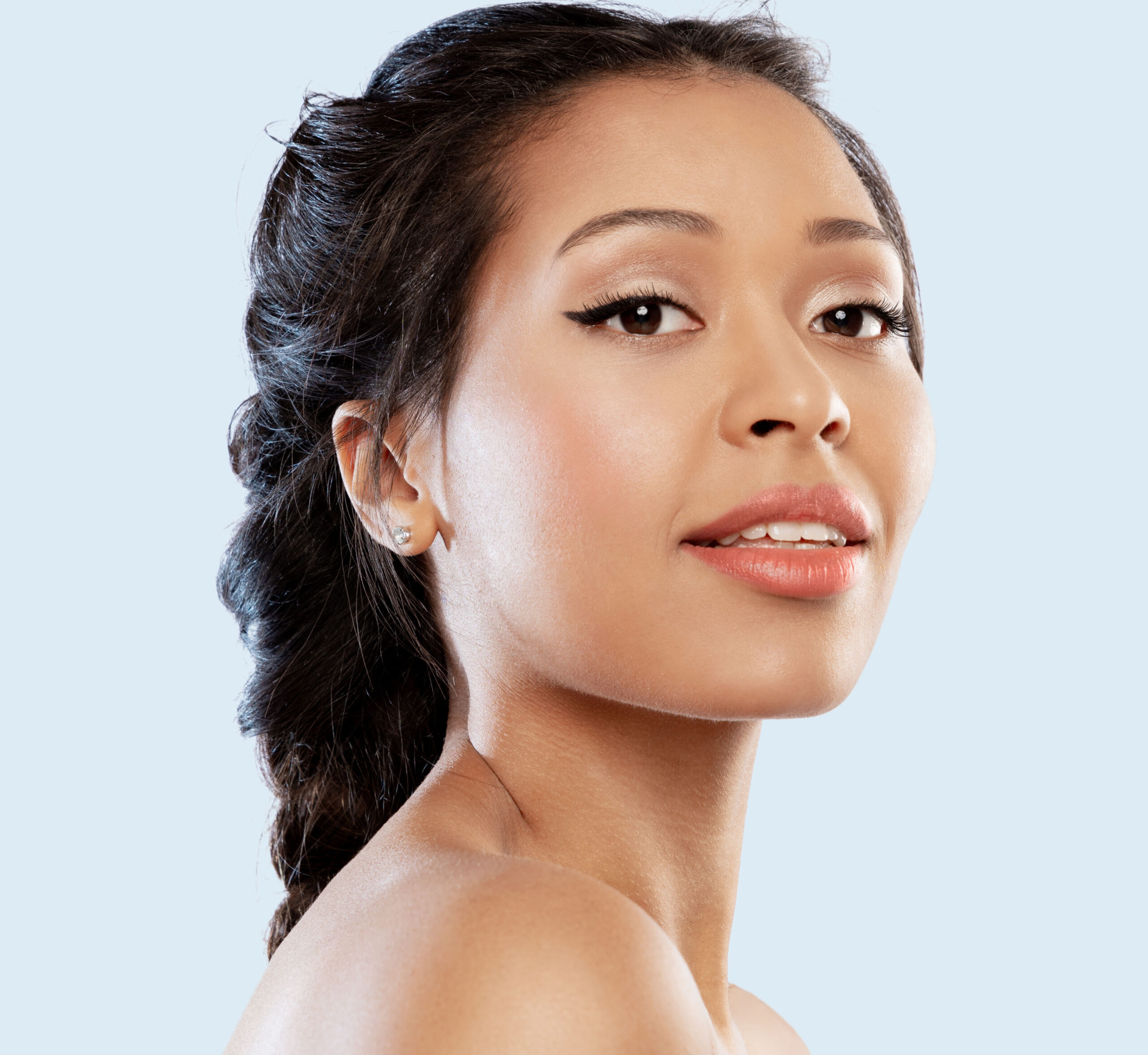
Etherea MX
FDA-cleared fractionated laser that creates controlled micro-injury to trigger collagen regeneration and skin resurfacing from within.
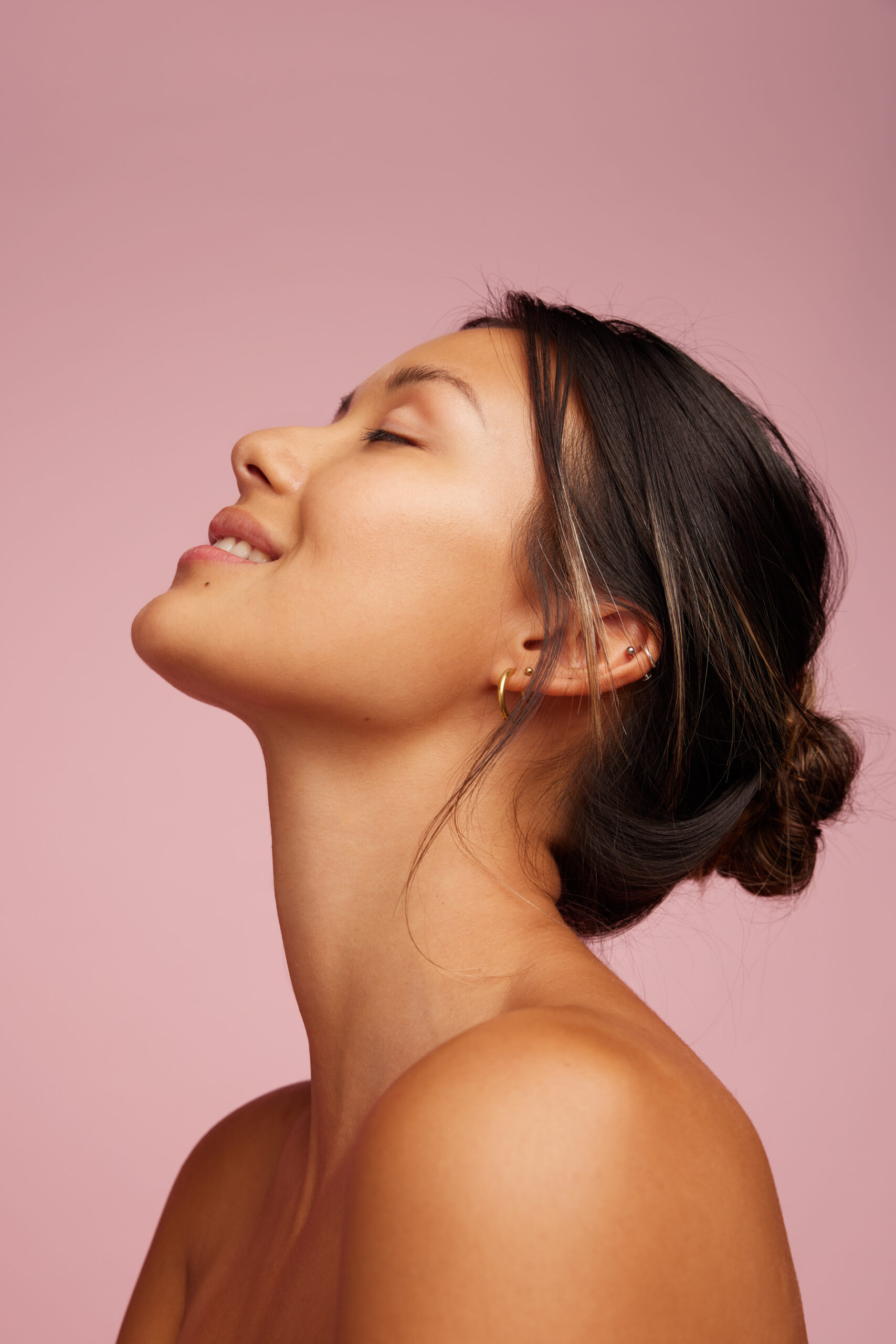
Chemical Peels
Controlled acid exfoliation that removes the damaged outer layer, promoting rapid cell turnover and a smoother, more even surface.
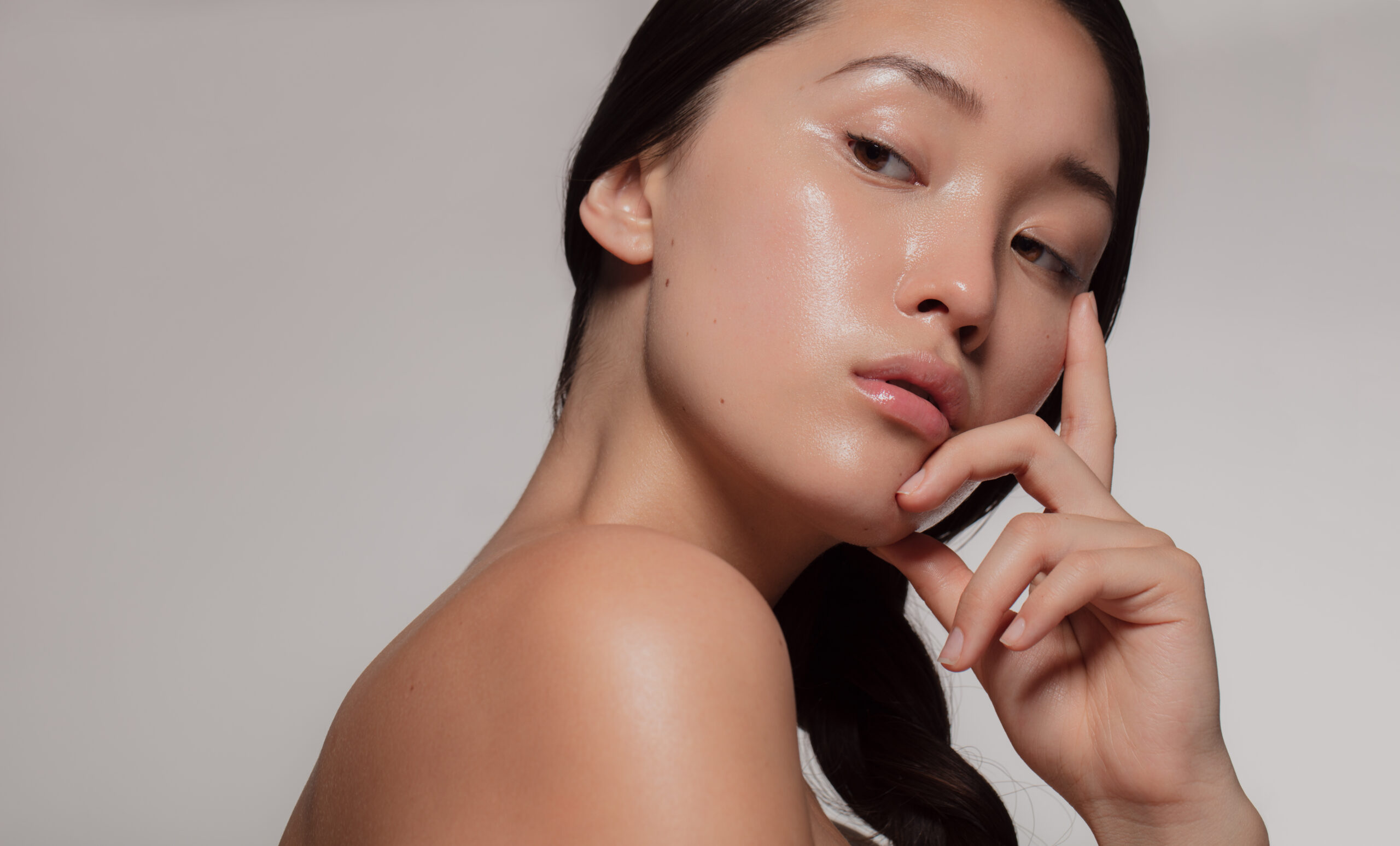
Microneedling
Collagen induction therapy that creates thousands of micro-channels to rebuild the structural framework beneath your skin.
View more treatments
HydraFacial
Patented vortex technology that deep-cleanses, exfoliates, and infuses the skin with targeted serums in a single session.
Enzyme Therapy
Gentle biological exfoliation using naturally derived enzymes, ideal for sensitive skin that cannot tolerate acid-based treatments.

Calecim
Concentrated growth factors that promote healthy collagen release and amplify skin healing alongside other resurfacing treatments.
FAQs
FAQs
- What causes textured skin on the face?
Textured skin is typically caused by a combination of factors including sun damage, past acne or inflammatory breakouts, ageing, dehydration, and genetics. Ultraviolet exposure breaks down collagen and elastin over time, making the surface rougher and less even. Acne damages the dermis, the deeper structural layer of the skin, and the healing process does not always restore a smooth surface. As we age, cell turnover slows and dead cells accumulate unevenly, adding to the rough feel. A consultation at Park Square Clinic can identify which specific factors are affecting your skin.
- Can textured skin be treated without surgery?
Yes. All of the textured skin treatments we offer at Park Square Clinic are non-surgical. These include fractionated laser resurfacing with our FDA-cleared Etherea MX system, chemical peels, microneedling (collagen induction therapy), HydraFacial, enzyme therapy, and Calecim stem cell therapy. The right option depends on the type and severity of your texture concern, which we assess during your consultation.
- What is the best treatment for rough, bumpy skin?
There is no single best treatment because rough, bumpy skin can have different underlying causes. Congestion-driven bumpiness responds well to HydraFacial and chemical peels, which clear the pores and accelerate cell turnover. Texture caused by collagen loss or scarring typically requires microneedling or fractionated laser resurfacing to stimulate structural regeneration beneath the surface. We recommend a consultation to determine which approach will be most effective for your specific concern.
- How does microneedling improve skin texture?
Microneedling, also known as collagen induction therapy, creates thousands of tiny controlled channels in the skin using fine sterile needles. This triggers your body’s natural wound-healing response, stimulating the production of fresh collagen and elastin. These are the proteins that give your skin its smooth, firm structure. Over a course of sessions, the new collagen rebuilds the framework beneath the surface, progressively smoothing out rough texture, indented scarring, and enlarged pores.
- How many sessions will I need to see smoother skin?
This depends on the type and severity of your textured skin and the treatment approach we recommend. Some treatments, such as HydraFacial, produce a noticeable improvement in surface smoothness after a single session. Treatments that work on deeper structural regeneration, such as microneedling or fractionated laser resurfacing, typically require 3 to 6 sessions spaced several weeks apart for optimal results. We discuss a realistic treatment timeline during your consultation.
- Is there any downtime after skin resurfacing treatments?
Downtime varies by treatment. HydraFacial and enzyme therapy have no downtime, and you can return to your normal routine immediately. Chemical peels may cause mild flaking or redness for a few days depending on the depth of the peel. Microneedling typically involves redness and mild sensitivity for 24 to 48 hours. Fractionated laser resurfacing with Etherea MX may involve redness and slight swelling for a few days. We explain what to expect before every treatment so you can plan accordingly.
- Will my skin texture get worse before it gets better?
Some treatments involve a short period of visible healing before improvements become apparent. For example, after a chemical peel, the outer layer of skin will flake away over several days as fresh, smoother skin is revealed beneath. After microneedling, you may experience temporary redness. However, these are expected parts of the healing process and resolve within days. The structural improvements in collagen and skin quality continue to develop over the weeks and months that follow.
- Can textured skin from acne scarring be fixed?
Yes, in most cases post-acne texture can be significantly improved. The key is choosing a treatment that reaches the dermis, where the scarring sits. Microneedling (collagen induction therapy) and fractionated laser resurfacing are particularly effective because they trigger the body to regenerate new tissue in the areas where scarring has created indentations or unevenness. Results build gradually over a course of sessions as fresh collagen fills and smooths the affected areas.
- What skincare should I use between treatment sessions?
We provide specific aftercare guidance tailored to the treatment you receive. In general, a gentle cleanser, a hydrating moisturiser, and a broad-spectrum SPF of at least 30 are essential between sessions. Sun protection is particularly important because UV exposure can undo the improvements your treatments are achieving and make textured skin worse over time. We may also recommend targeted serums to support collagen production and cell turnover between appointments.
- How do I know which treatment is right for my skin type?
That is exactly what the consultation is for. During your appointment, we assess your skin type, the specific nature of your texture concern, its underlying cause, and any sensitivities or conditions that could affect treatment choice. For example, sensitive skin that reacts to acid may be better suited to enzyme therapy, while post-acne scarring may require microneedling or laser resurfacing. We never recommend a treatment without first understanding your skin thoroughly.